1. Match the certificate to the batch
A Certificate of Analysis only means something when its batch number matches the vial you receive. Be cautious of generic “sample” reports, or certificates with no batch, task number or test date. A credible report names the testing laboratory and gives you a way to confirm the result with that laboratory directly.
HPLC purity indicates the proportion of detected peptide-related material attributed to the target peptide under the specified analytical method. It should not be confused with net peptide content, which may also account for counter-ions, residual moisture and other non-peptide components. Mass spectrometry provides complementary information by confirming whether the detected molecule has the expected molecular mass. A useful certificate of analysis can therefore report both chromatographic purity and mass-based identity. For quantitative concentration calculations, however, peptide content or assay value – not HPLC purity or molecular mass confirmation alone – is the more relevant measurement.
3. Check where the stock actually sits
Sealed, lyophilised peptides are stable when kept cold. Long international transit and customs holds expose them to heat and delay. Stock held in Australia turns weeks into days and makes same-day dispatch possible.
4. Order the exact strength you need
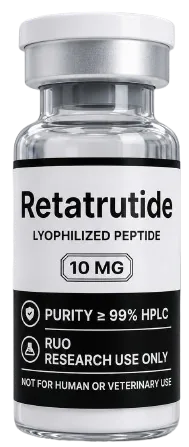
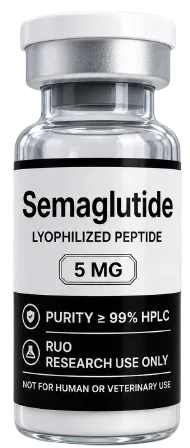
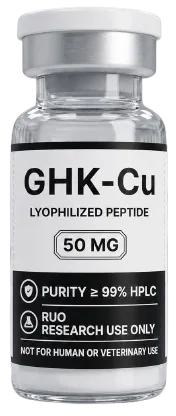
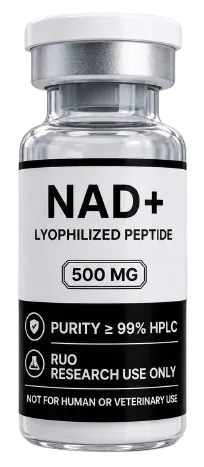
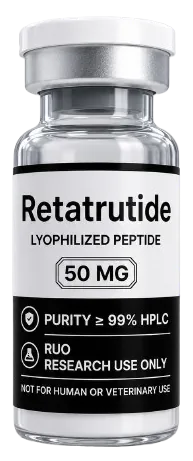
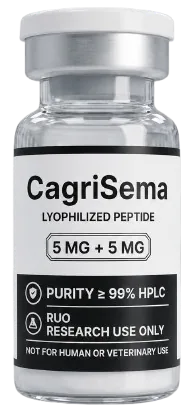
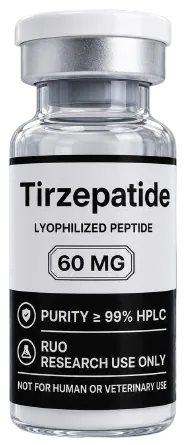
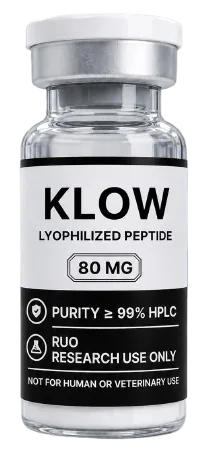
Vial strength changes reconstitution volumes and every calculation that follows. We list each strength as its own product with its own specifications, so the item on your screen is the item in the parcel. If you cannot find a strength, ask us to source it.
5. Understand research-use-only obligations
Products sold for research use only are not therapeutic goods and are not approved for human or veterinary use. Laboratories remain responsible for handling, storage, record-keeping and disposal under their own institutional and state requirements. Our legal disclaimer sets out the terms of supply.